
Serbia now also faces a problem with its gas supply
After Serbia's only refinery, NIS, was recently forced to cease operations due to US sanctions against its Russian majority owner Gazprom, the country is now facing a new problem. It appears that Russian gas supplies may also be at risk.
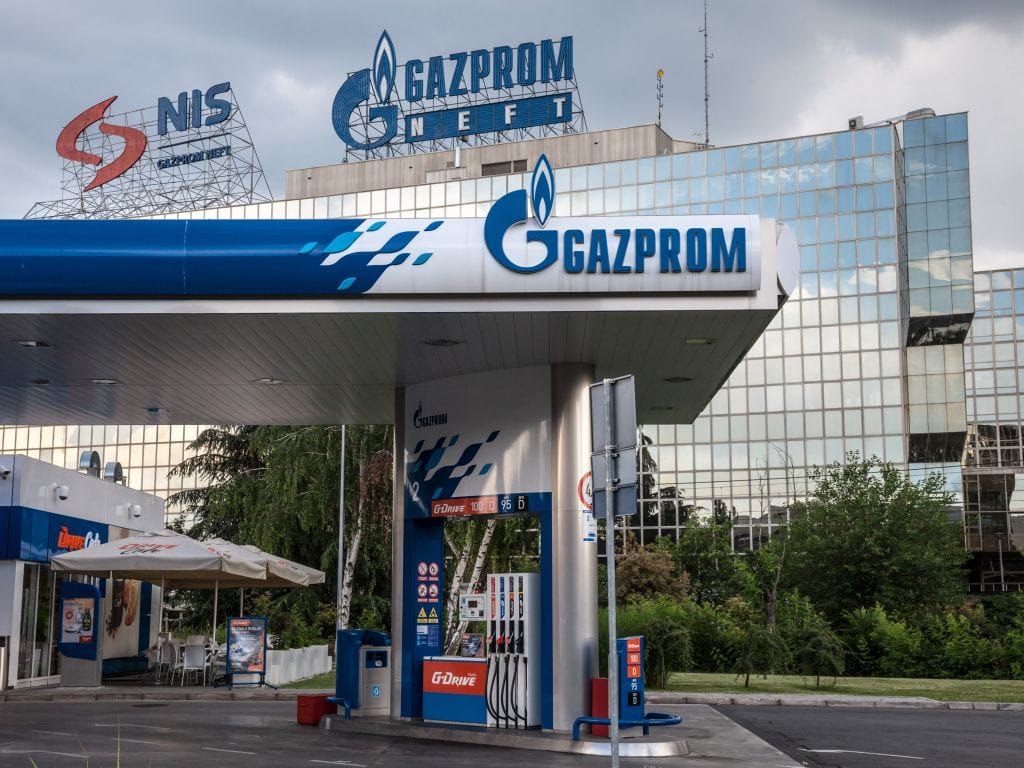
Just recently, the Russian side had only guaranteed gas deliveries until New Year's Eve. A multi-year gas agreement, which Belgrade had hoped for, failed to materialize, which probably limited the Serbian authorities' room for maneuver in their search for a solution for the refinery.
Nationalization or bankruptcy
As energy experts increasingly emphasize, the Serbian government actually has only two options when it comes to the refinery: Either the government will allow the company, which employs around 13,000 people, to go bankrupt, or it will nationalize it.
Politically speaking, the ruling Serbian Progressive Party (SNS), whose most loyal supporters are clearly pro-Russian, would like to avoid both solutions.
As things stand at present, a decision will have to be made by mid-January at the latest. The earlier hope that Gazprom would sell its shares in NIS does not seem to be particularly well-founded. Observers believe that Russia could respond to the Serbian authorities' proposed receivership of NIS by halting further gas supplies.
Higher costs
The situation would be unpleasant, but not entirely dramatic, according to experts in Belgrade. Serbia is currently supplied with around 400 million cubic meters of gas from Azerbaijan via the Bulgarian-Greek interconnector, which will go into operation in 2022. According to Belgrade-based energy expert Miodrag Kapor, an additional 1.4 billion cubic meters of gas could be secured through deliveries from the LNG terminal (LNG – liquefied natural gas) in Alexandroupolis, Greece. The capacity of the interconnector through Serbia is 1.8 billion cubic meters.
However, Serbia will probably also have to reckon with higher gas costs. This is because Russian gas supplies were 35 percent cheaper than those from Azerbaijan in 2024, according to a report in the magazine “Nova ekonomija” on Thursday
