
Australian social media ban for under-16s comes into effect at midnight
Platforms speak of a restriction of freedom of expression, the government of protecting the welfare of children. Other countries want to follow suit.
On Wednesday, Australia will become the first country in the world to introduce a minimum age for social media use. Platforms such as Instagram, TikTok, and YouTube will have to block more than a million accounts as a result. Observers expect this to be the start of a global wave of regulation.
From midnight (13:00 GMT), ten of the largest platforms must block the accounts of Australian users under the age of 16, otherwise they face fines of up to 49.5 million Australian dollars (28.2 million euros). The law has been sharply criticized by big tech companies and free speech advocates, but praised by parents and children's rights activists.
Guinea pigs
The introduction of the measure concludes a year of speculation about whether a country can prevent children from using technologies that have become an integral part of modern life. It marks the beginning of a live experiment that is being watched by lawmakers around the world who are frustrated by what they see as the tech industry's slow response to minimizing risks.
Governments from Denmark to Malaysia—and even some states in the US, where platforms are scaling back their trust and safety features—say they are planning similar moves. All this comes four years after leaked internal documents from Meta showed that the company knew its products were contributing to problems with body image and suicidal thoughts among teenagers. The company publicly denied the connection.
“Australia may be the first country to introduce such restrictions, but it probably won't be the last,” Tama Leaver, professor of internet studies at Curtin University, told Reuters. “Governments around the world are watching to see how it has succeeded in curbing the power of big tech companies. The social media ban in Australia is something like the canary in the coal mine.”
Freedom from “endless” scrolling
A spokesperson for the British government, which since July has required websites with pornographic content to block users under the age of 18, said that they are “closely monitoring the Australian approach to age restrictions. (...) When it comes to the safety of children, nothing is off limits.”
But few will scrutinize the effects as closely as the Australians. The eSafety Commissioner, an Australian regulatory agency tasked with enforcing the ban, commissioned Stanford University and eleven scientists to analyze data on thousands of young Australians who will be subject to the ban for at least two years.
Australian Prime Minister Anthony Albanese defended the controversial measure again one day before it came into force. The ban, which applies to children and young people under the age of 16, will free them from “endless” scrolling, he said on Tuesday. With the long school holidays approaching, it is the perfect time to disconnect from cell phones. “Spend time with your friends and family. In person, face to face. Above all, you should make good use of the upcoming school holidays instead of just spending them on your cell phones,” Albanese appealed to children and young people in a video message. “Take up a new sport, learn a new instrument, or finally read that book that's been sitting on your shelf for so long.” In Australia, the long summer holidays begin before Christmas.
Right to freedom of expression
The ban initially applies to ten platforms, including YouTube, Instagram, and TikTok. However, the government has announced that the list will change as new products come onto the market and young users switch to alternatives. Of the initial ten companies, all except Elon Musk's X have agreed to comply with the regulations by estimating age based on a person's online activity or a selfie. In addition, they could also verify age using uploaded ID documents or linked account information.
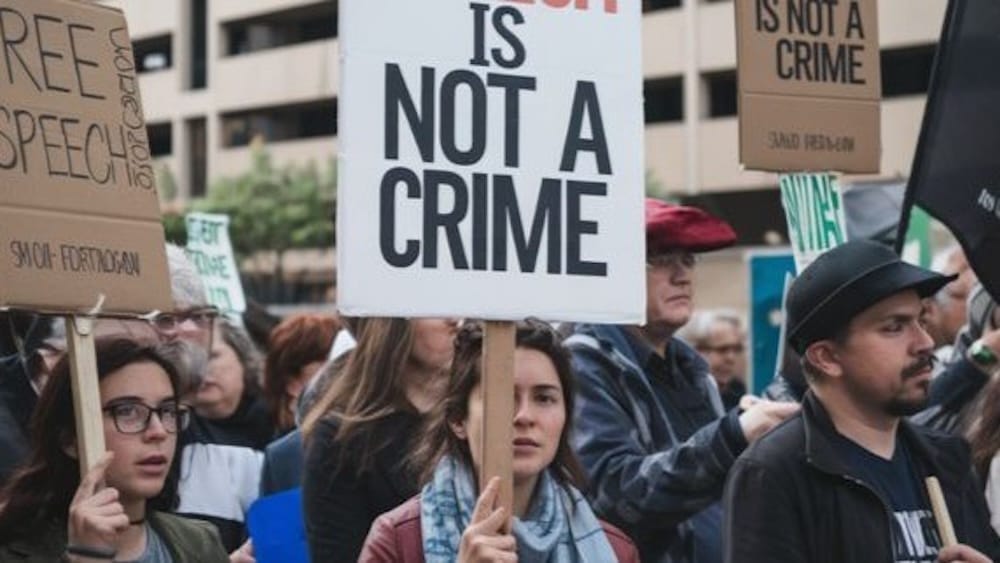
Musk said the ban was “a backdoor to control internet access for all Australians.” Most of the platforms criticized the ban as violating people's right to free speech. A lawsuit before the Australian High Court, led by a libertarian member of parliament, is still pending.
“The era of social media is over”
For social media companies, the introduction of the ban marks a new era of structural stagnation, as user numbers are no longer growing and less and less time is being spent on the platforms, as studies show. The platforms say they don't make much money from advertising to under-16s, but add that the ban hinders the supply of future users. Shortly before the law came into force, 86 percent of Australians aged 8 to 15 used social media, according to government data.
“The days of social media being seen as a platform for unbridled self-expression are coming to an end, in my view,” Terry Flew, co-director of the University of Sydney's Center for AI, Trust and Governance, told Reuters. The platforms responded to negative headlines and regulatory threats with measures such as a minimum age of 13 and additional privacy features for teenagers. But “if that had been the case during the boom phase of social media, we probably wouldn't be having this debate now,” the researcher added.